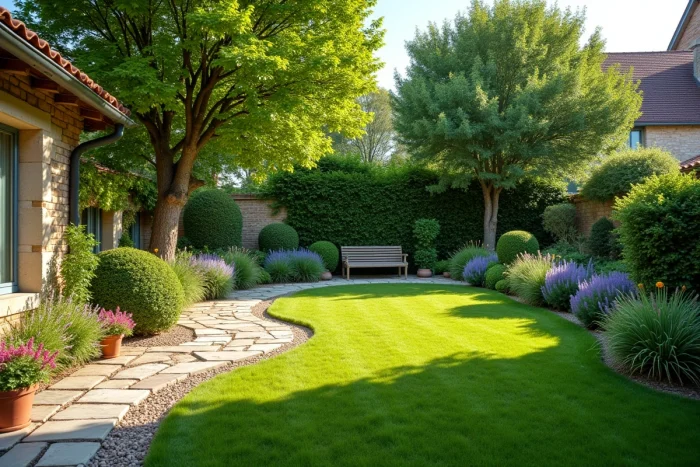
The layout of a garden relies on technical choices that determine the comfort and durability of the outdoor space: solar orientation, soil type, circulation between areas, and paving materials. Every decision made in advance avoids costly corrections later on. Here are ten practical tips to transform your outdoor space into a functional and pleasant area.
1. Map the sunlight before planting anything
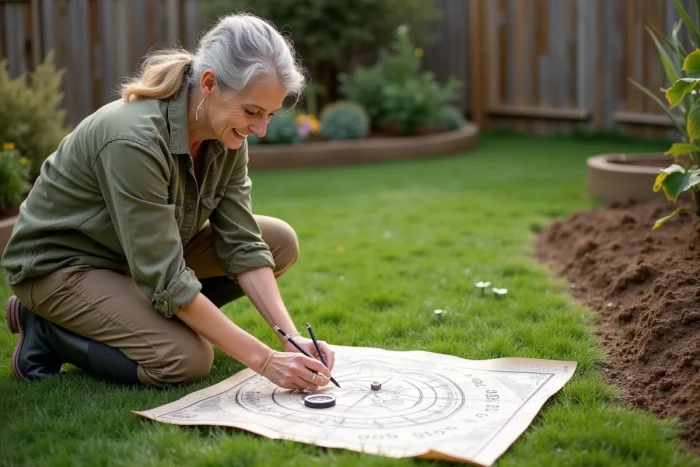
Before choosing any plants or positioning your terrace, identify the shaded and sunny areas at three times of the day (morning, noon, late afternoon). This simple survey, which can be done in just one sunny day, determines the rest of the project.
Sunlight dictates the location of each living area. A garden lounge facing directly west will be unusable in the summer after 4 PM without protection. A southeast-facing terrace, on the other hand, offers soft light in the morning and natural shade in the afternoon if a deciduous tree is planted nearby.
To delve deeper into each step of your garden layout project with Ambiance Jardin, the logic remains the same: start from what exists before adding anything.
2. Favor local materials for the terrace and pathways
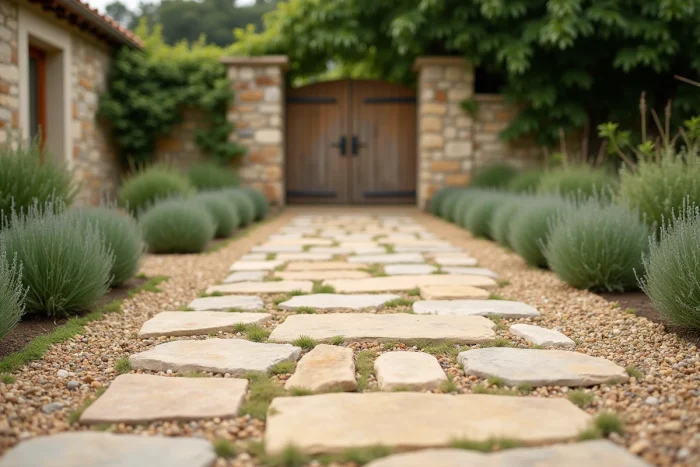
The choice of terrace materials is not limited to aesthetics. Natural stone sourced from your region withstands local climatic conditions better, costs less to transport, and ages consistently with the surrounding landscape.
The ADEME and the French Office for Biodiversity encourage this so-called low-carbon garden approach: reduce paved areas, limit imported materials, and prefer permeable surfaces (stabilized gravel, grassed joint slabs). These surfaces allow rainwater to infiltrate instead of running off into drainage systems.
3. Install structural lighting from the design phase
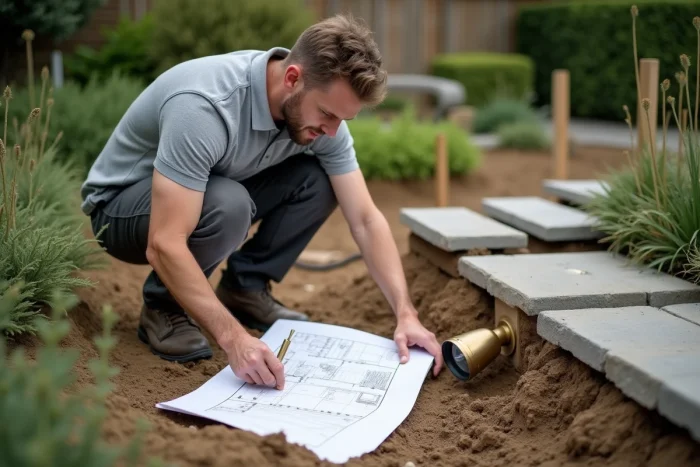
Outdoor lighting is often treated as a late addition, while it deserves to be integrated into the initial plan. Considering light from the start helps secure pathways, extend the use of the garden after sunset, and create visual perspectives from inside the house.
Three levels are sufficient: a low-level marking for pathways, directional spotlights to highlight a tree or a green wall, and ambient lighting (string lights, solar lanterns) around the dining table. Buried cables during the earthworks avoid unsightly extensions.
4. Create a plant screen instead of a wall to shield from prying eyes
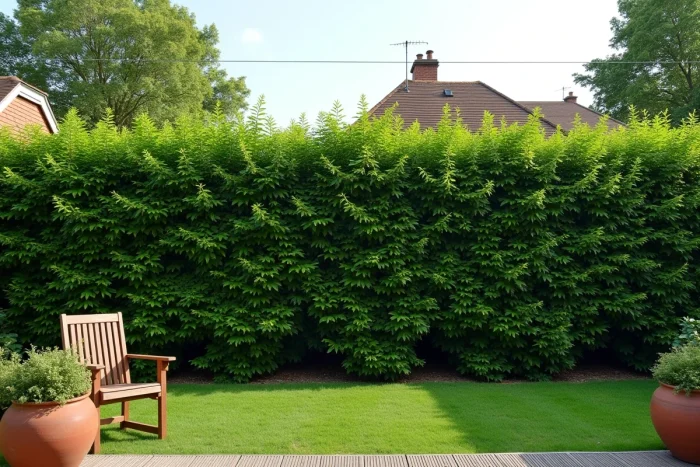
A wall or wooden panel blocks the view, but also the circulation of air and light. A mixed hedge composed of several species (evergreen and deciduous) filters the view while allowing summer breezes to pass through.
This type of hedge also promotes local biodiversity: birds nest in it, and pollinating insects find refuge. The so-called refuge garden approach precisely aims to multiply these micro-habitats (hedges, wood piles, unmown meadow areas) to welcome local wildlife.
5. Opt for modular furniture in small spaces
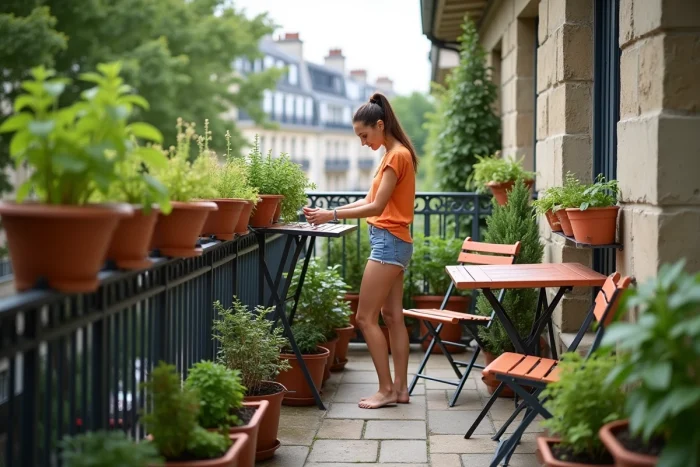
In a city garden or on a small terrace, classic furniture (large table, six fixed chairs) monopolizes space permanently. Modular furniture solves this problem: benches with integrated storage, extendable tables, stackable modules that can be reconfigured according to the number of guests.
Check for UV and moisture resistance before purchasing. Woven resins and treated aluminum withstand several seasons without maintenance, unlike untreated wood which grays and splinters.
6. Collect rainwater for irrigation
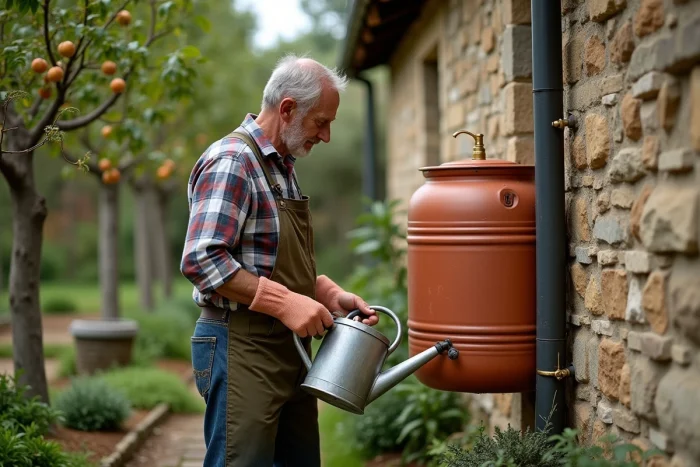
A collector connected to a downspout covers a significant portion of the watering needs of a medium-sized garden. Rainwater, which is non-limestone, is better suited for plants than tap water.
Position the collector at a height or equip it with a pump to obtain enough pressure. This action reduces the consumption of drinking water and aligns with the logic of a resource-efficient garden promoted by recent ADEME recommendations.
7. Select plants suited to the soil and climate

Planting a species unsuitable for the soil’s pH or texture amounts to planning its replacement. Have your soil analyzed (test at a garden center or home pH kit) to guide your choices towards plants that thrive without permanent amendments.
- Clay and heavy soil: favor deep-rooted perennials (iris, daylilies) that tolerate stagnant moisture.
- Sandy and draining soil: opt for Mediterranean plants (lavender, rosemary, gaura) that withstand drought.
- Limestone soil: choose shrubs like lilac or boxwood, naturally suited to high pH levels.
8. Integrate an unmown meadow area for biodiversity
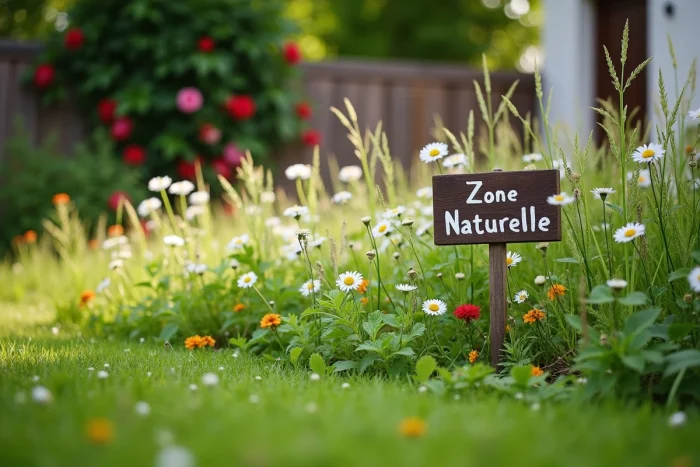
Letting a strip of grass grow in a rarely frequented corner of the garden is not negligence. It is a technique of differentiated management that municipalities already apply in public parks.
This area attracts pollinators, provides cover for small mammals, and reduces mowing time. Clearly define it (stone border, mown path around) so that the result is perceived as a deliberate choice.
9. Use a permeable surface instead of poured concrete
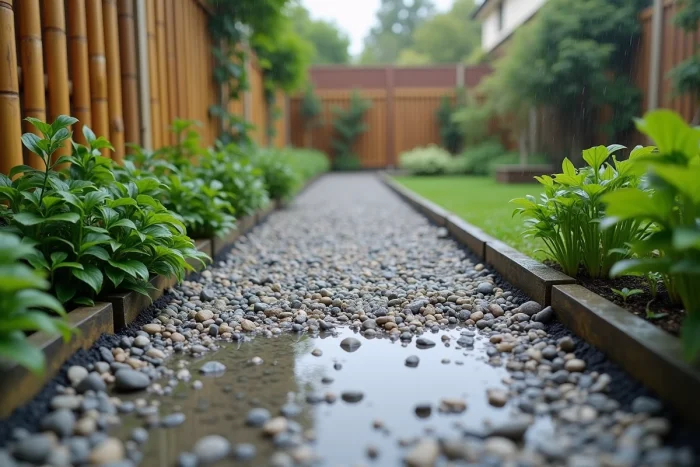
Poured concrete waterproofs the soil, accelerates runoff, and creates heat islands in summer. Permeable alternatives (honeycomb slabs, stabilized gravel, wide-joint pavers) allow water to return to the groundwater.
A permeable surface also regulates the ground temperature by several degrees compared to a solid slab, making the terrace more pleasant to walk on barefoot in the height of summer. The additional cost at installation is offset by the absence of a supplementary drainage system.
10. Plan for understated décor that ages well
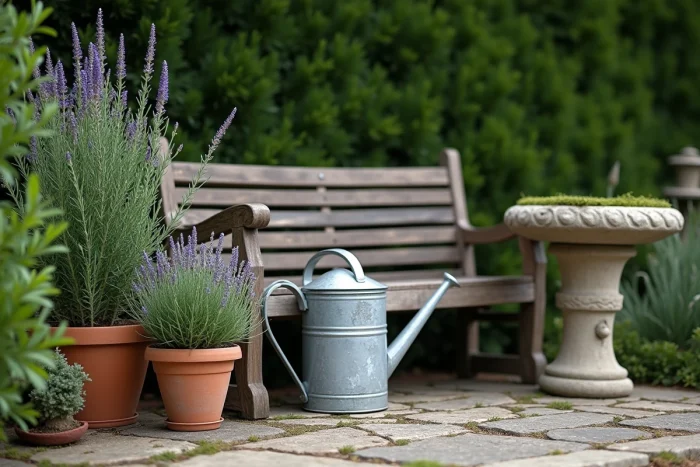
Garden decoration is subjected to UV rays, rain, and frost. Objects made of terracotta, corten steel, or natural stone develop a patina over time without degrading. Accessories made of painted plastic or cheap resin dull within a season.
Limit the number of decorative elements to avoid a “catalog” effect. Two or three well-chosen pieces (a large pot, a lantern, an outdoor mirror) structure the space without cluttering it.
A well-thought-out garden relies less on a high budget than on decisions made in the right order: observe the land, choose materials consistent with the climate, then gradually add furniture and plants. The simplest actions, such as collecting rainwater or leaving a corner of wild meadow, are also the ones that last the longest.