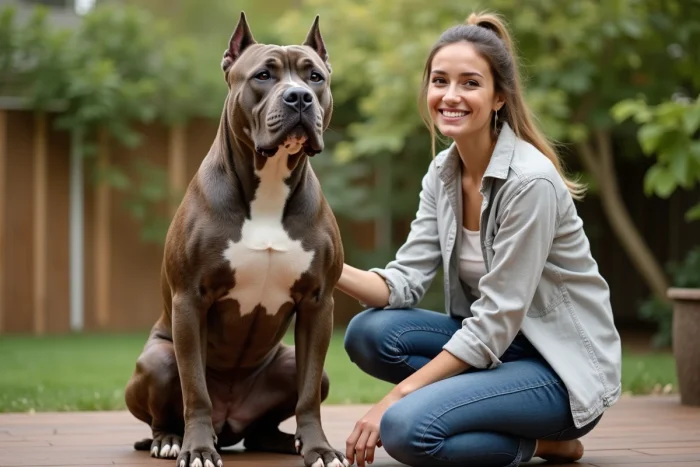
The American Bully and the Exotic Bully are two “bully” type dogs that result from selective breeding of the American Pit Bull Terrier and the American Staffordshire Terrier. Despite their family resemblance, these two breeds have distinct morphologies, health predispositions, and temperaments that directly influence the choice of a puppy.
Exotic Bully and American Bully: the morphological differences that matter
The American Bully comes in several recognized formats (Pocket, Standard, Classic, XL) by the ABKC. Each category meets specific criteria for size and bone structure. The dog maintains an athletic appearance, a broad chest, and visible musculature without exaggeration.
The Exotic Bully takes selection a step further. Wider skull, shortened muzzle, shorter legs: its compact silhouette results from breeding that often includes French Bulldogs or Shorty Bulls. This hypertype has direct consequences on breathing, mobility, and longevity.
Before choosing between the two, it is important to understand that the Exotic Bully is not a “small American Bully.” It is a selection focused on appearance, with functional compromises that every future owner must evaluate. To delve deeper into these distinctions and the selection criteria for a reliable breeder, the complete guide on Attitude Canine details each format and its concrete implications.
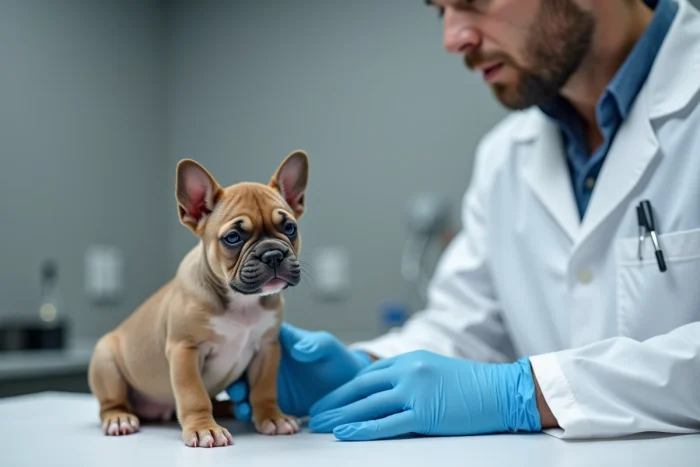
Puppy bully health: key points to consider before purchase
Health is the most underestimated criterion when choosing a bully puppy. Both breeds share a predisposition to hip dysplasia, but the Exotic Bully accumulates additional risks related to its extreme conformation.
Respiratory issues and brachycephalic syndrome
The shortened muzzle of the Exotic Bully frequently causes an obstructive airway syndrome. In practice, this translates to persistent snoring, exercise intolerance, and complications under anesthesia. A serious breeder tests their breeding stock for this type of pathology.
Checks to require from the breeder
A healthy puppy cannot be judged by a photo. During the breeding visit, several concrete elements allow for assessing the reliability of the breeder and the quality of the litter:
- The dysplasia screening results (hips and elbows) of both parents, provided in writing with the veterinarian’s identification
- A recent ophthalmological certificate, as the breed is prone to entropion and eyelid issues
- A sales contract including a puppy return clause in case of serious health or behavioral problems, a guarantee that responsible breeders systematically offer
- The opportunity to see the mother with her puppies in their daily environment, not just in photos on social media
The explosion of litters from unprofessional breeding, amplified by social media, has led to a notable increase in the abandonment of bully-type dogs in France since 2023. Checking these points is not a luxury; it is a precaution in a market where fashion trends often take precedence over health selection.
Regulation and insurance: what changes for bully breeds
The American Bully is not classified in category 1 or 2 in France, provided the dog is not morphologically comparable to an American Staffordshire Terrier. This gray area requires having a proper ABKC or UKC pedigree to avoid any reclassification during a check.
In the UK, the situation has changed radically. Since December 31, 2023, the XL Bully is subject to a ban on new individuals, with a requirement for muzzling, sterilization, and liability insurance for dogs already owned. The Netherlands is working on similar restrictions for certain lines of American Bully.
Checking the legislation of the country of residence and transit countries before acquiring a bully puppy has become a key selection criterion. A dog that does not comply with the regulations of a neighboring country complicates any travel or relocation plans.
Regarding insurance, obtaining a specific liability insurance is recommended. Some companies apply exclusions or surcharges for bully-type breeds. Comparing offers before adoption avoids unpleasant surprises in case of an incident.
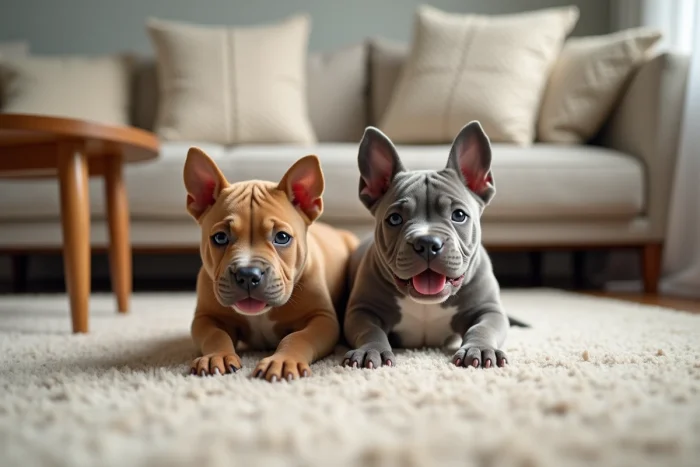
Behavior and socialization of the American Bully puppy
The American Bully has been selected for its stable temperament and sociability with humans. This companion dog tolerates apartment living well, provided it receives sufficient daily outings. Its behavior with children is generally reliable, but this entirely depends on the socialization received between the third and twelfth week of life.
The Exotic Bully, with its more restrictive morphology, requires less intense physical exercise. Its ability to expend energy remains limited by its conformation. This may suit a sedentary lifestyle, but it increases the risk of overweight if the diet is not controlled.
For both breeds, early socialization with other animals and varied environments shapes the adult dog’s behavior. A puppy raised in a garage without external stimulation will develop fear or aggression responses, regardless of the genetic quality of its parents.
Choosing your bully puppy: the criteria that make a difference
The final choice rests on three pillars: the transparency of the breeder, the administrative compliance of the puppy, and the suitability between the dog’s format and the future owner’s lifestyle.
- A breeder who refuses to show health tests of the parents or who sells puppies before eight weeks should be dismissed without hesitation
- The pedigree registered with a recognized registry (ABKC, UKC) legally protects the owner against reclassification as a categorized dog
- An American Bully XL in a thirty-square-meter studio will pose daily logistical problems, whereas a Pocket will adapt better to a smaller space
The bully puppy market remains marked by very variable prices, often inflated by the supposed rarity of a coat color or an “exotic” pedigree. The coat color does not guarantee health or temperament. Prioritizing structure, veterinary assessments, and post-sale follow-up remains the only rational approach to welcoming a dog that will live with you for about ten years.